

Friction
Comfort is a scam - don't believe the hype

[6 minute read]
I believe in friction. And I think ease is a gold-plated trap disguised as progress — one that industries and algorithms keep steering us toward, even as it quietly makes us less content.
In modern life — especially modern tech — “progress” has come to mean maximizing comfort: fewer steps, fewer clicks, less waiting, less cooking, less planning, less thinking, less risk, less communication, less community, less friction.
For most of human history, comfort upgrades were quantum leaps — electricity, plumbing, vaccines, child-labor laws, pasteurization, cold storage, and spray tans, to name a few.
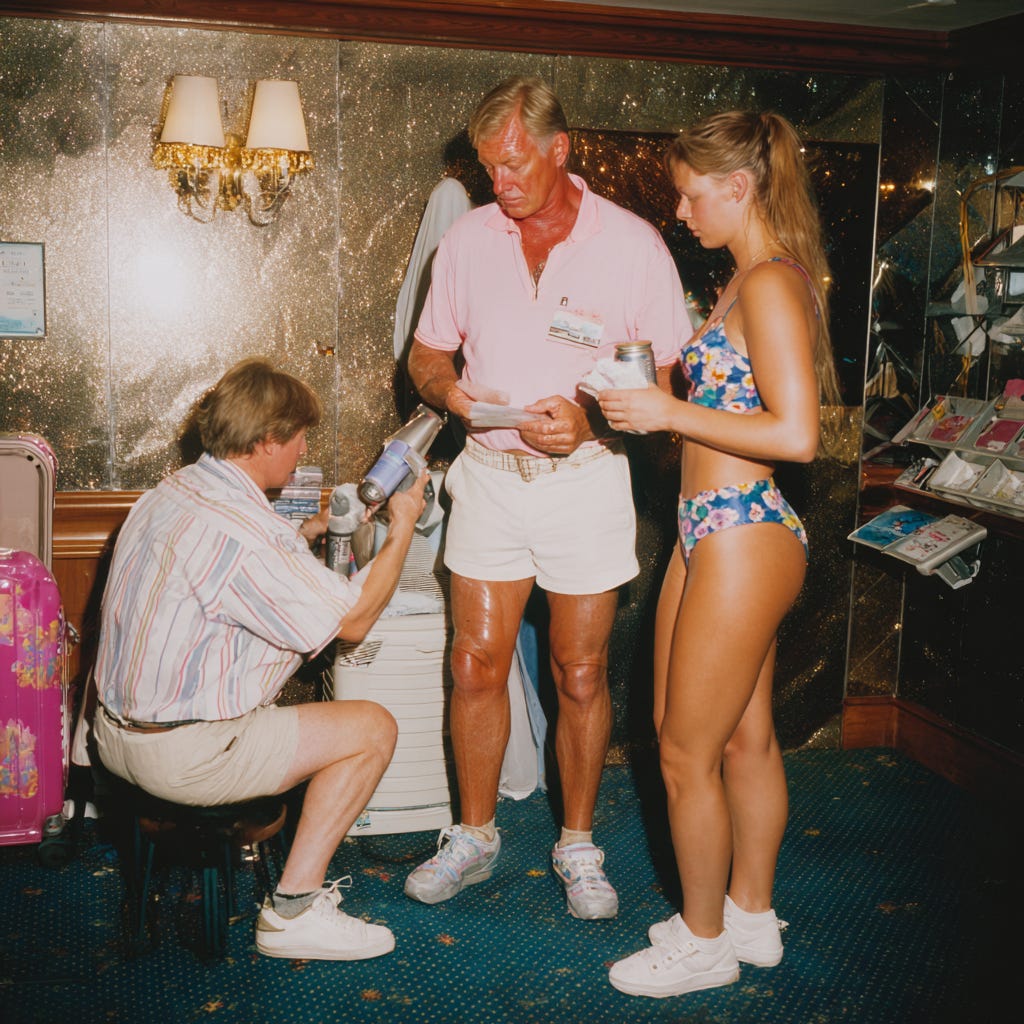
But sometime in the 1980s, capitalism needed new places to grow, and technology pivoted from saving lives to saving time, then from saving time to saving effort. Social media, delivery services, ecom, SSRIs, GLP-1s, AI, dating apps — almost everything now is built to reduce how much of life we actually have to touch or earn.
We think it’s good for us. We’re sold it as an aspirational goal. But humans aren’t built for a frictionless existence. Difficulty isn’t the enemy. Meaninglessness is.
Purpose makes life better at every age — more satisfaction, less anxiety, more resilience. But purpose doesn’t exist without friction — you can’t build a meaningful life if nothing ever pushes back.
No one feels better after scrolling Instagram. Yet young people burn an average of three hours a day on social media. The opportunity cost is real life — and of course kids choose mindless addictive stimulation over anything hard. Big Tech engineered it that way. The algorithm isn’t accidental — it’s an anti-friction flatness profit machine.
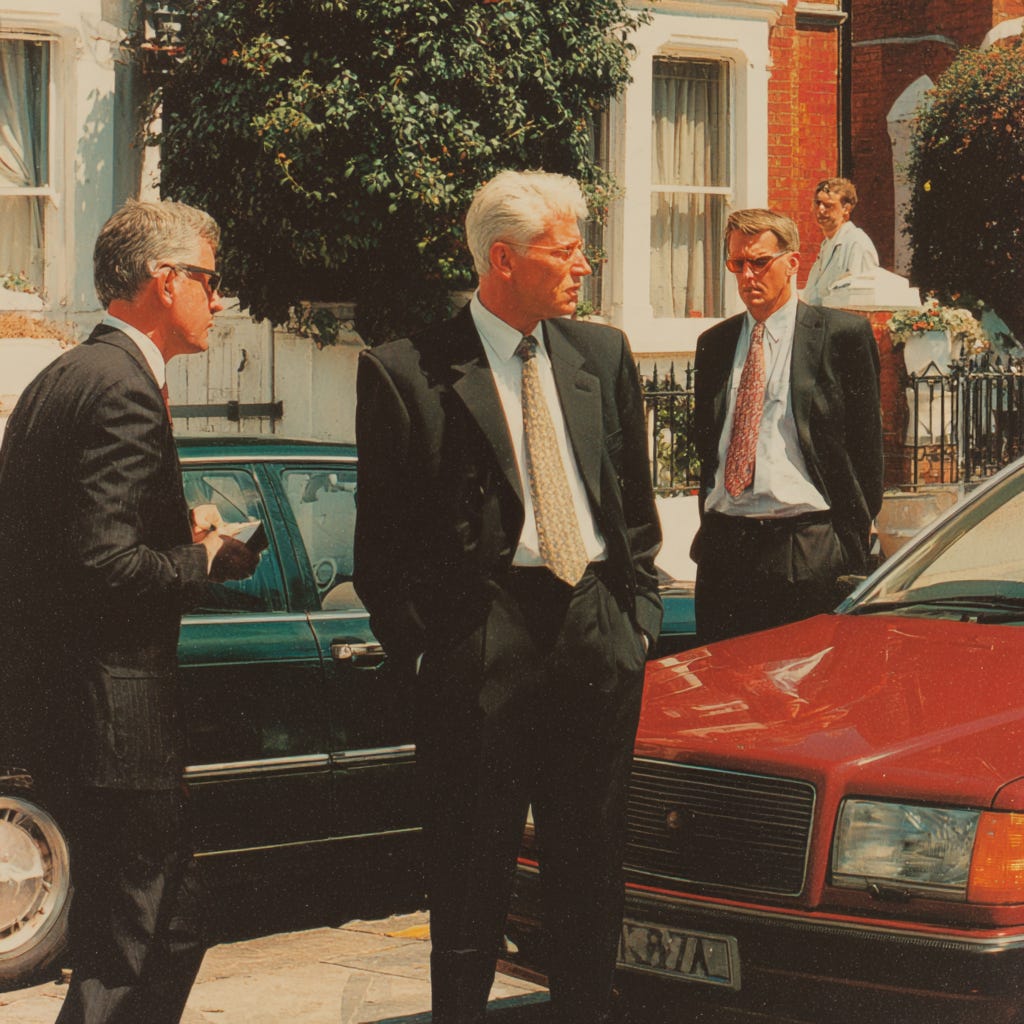
A life without friction isn’t a luxury — it’s a tax.
THE HEDONIC TREADMILL
Comfort feels good at first, but the brain adjusts fast — what once felt fine stops being acceptable once you’ve gotten used to something “better.” The contentment baseline keeps creeping upward.
I wouldn’t want to live in my college dorm or my post-college house in Mission Beach now. I’ve gotten used to not sharing a bathroom with 15 people, and I now understand that surfboards should not be stored in the bedroom. But at the time, it felt like heaven — because it was a step up from where I’d been. That’s how life works: we adapt, we upgrade, we outgrow.
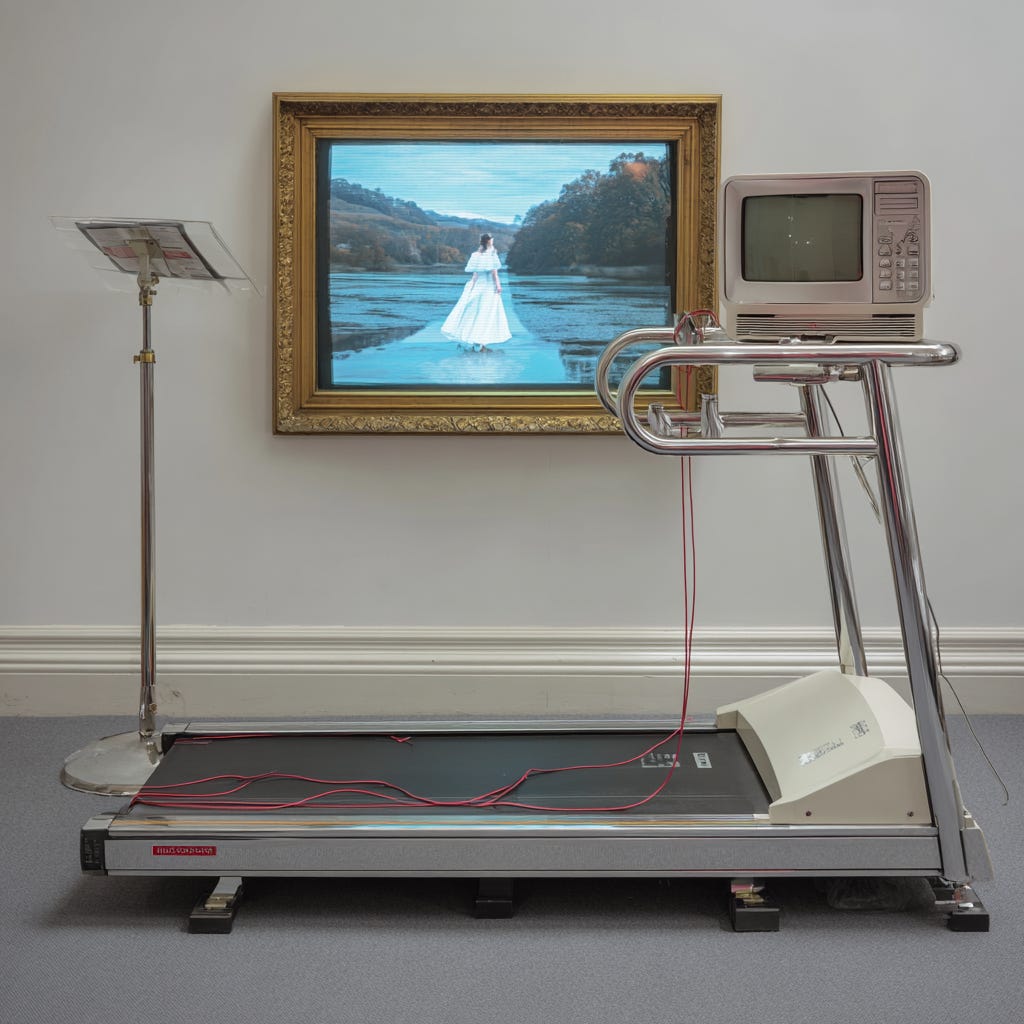
This is the hedonic treadmill — the psychological phenomenon where humans rapidly adjust to pleasure, comfort, and improved circumstances. The happiness baseline keeps rising no matter how comfortable life gets — and importantly, it does this regardless of socioeconomic status. One person’s indoor plumbing is another person’s 50,000-square-foot house. Either way, we get used to whatever we have and start wanting more.
The brain compensates for too much pleasure by reducing our ability to feel pleasure at all.
—Dr. Anna Lembke
A frictionless future isn’t just misguided — it’s biologically impossible to enjoy. The pursuit of ease eventually leads to anxiety, depression, boredom, and always wanting more.
MEANING & FLOW
What man actually needs is not a tensionless state, but striving and struggling for a worthwhile goal.
-Viktor Frankl
Frankl believed that meaning comes from friction, not the absence of it. When everything is effortless, people don’t feel liberated — they feel lost. Humans don’t thrive in comfort — they wilt in it. What we actually need isn’t a life free of tension, but a life that challenges us — goals that matter, responsibilities we choose, and struggles that leave us feeling tired and accomplished at the end of the day.
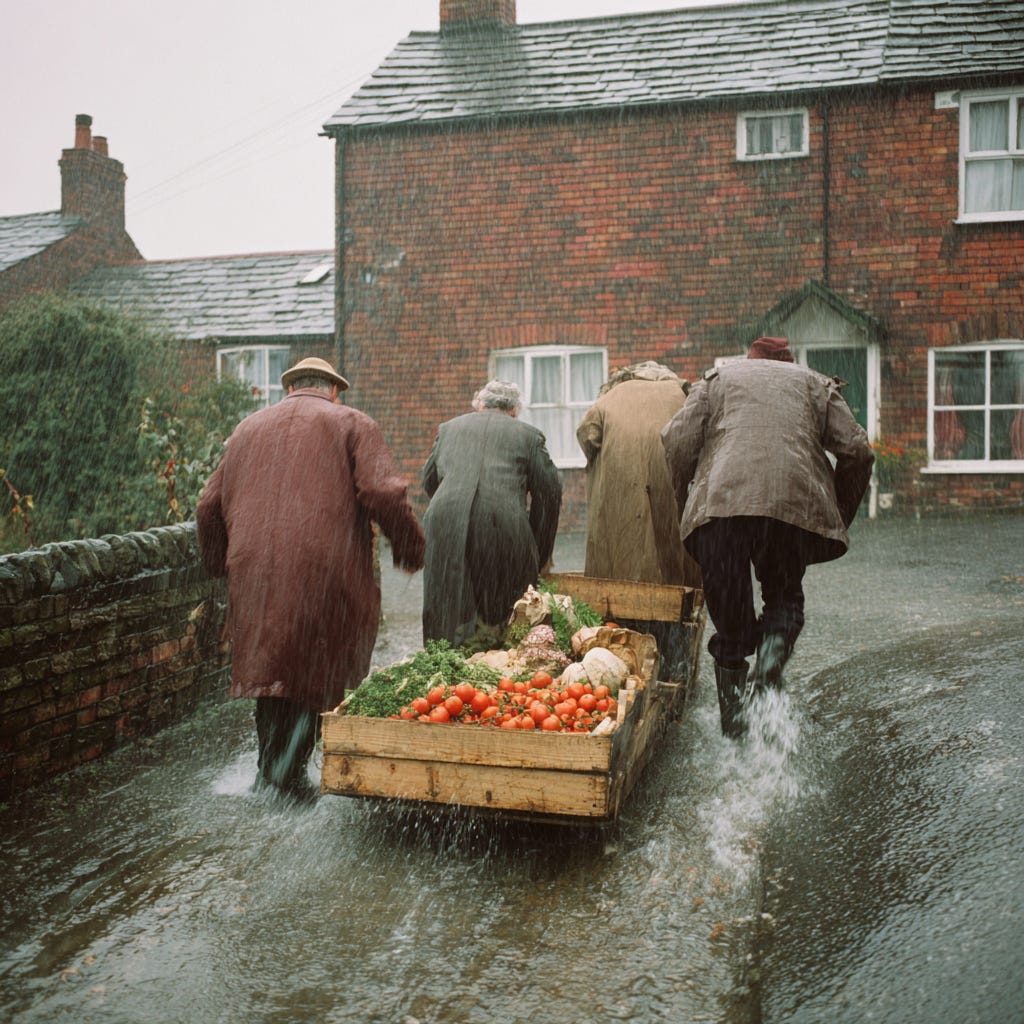
The best moments in our lives are not the passive, receptive, relaxing times...The best moments usually occur when a person’s body or mind is stretched to its limits in a voluntary effort to accomplish something difficult and worthwhile.
— Mihaly Csikszentmihalyi, Flow: The Psychology of Optimal Experience
Good luck finding a flow state without friction. A worthwhile struggle is what gives life shape, purpose, and identity.
CREATIVE LIMITATIONS
Most artists, architects, and creatives I know (myself included) would have a hard time finishing anything without a deadline or a limited budget. Creativity doesn’t come from abundance — it comes from limitation. Breakthroughs in art, science, and business happen under constraint — friction is often the actual source of invention.
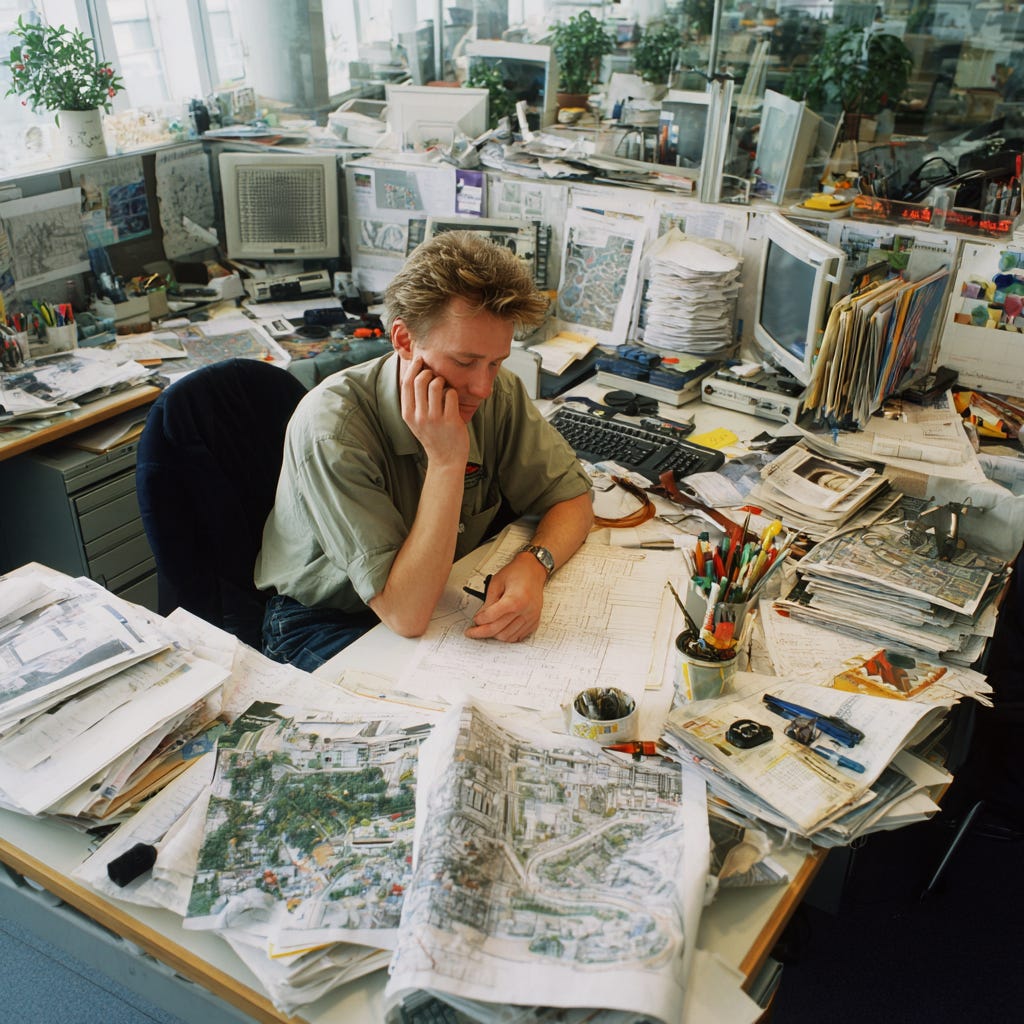
I look back on my time building Rxmance — broke, working nights bartending in a tuxedo, living in a filthy house — as one of the happiest, most purposeful, and creative periods of my life. And I’m not alone. I’ve read countless accounts of artists, musicians, and entrepreneurs who say their early creative years were the good years.
If I’d been flush with cash, living rent-free in a beautiful house, and not hustling side gigs, there’s no way I would’ve been driven or determined enough to build a business. That’s the thing with friction — we assume it’s a hindrance, but it’s actually a superpower.
YOUTH
If you want a weak and fragile child, remove every obstacle from their path. Friction is a key ingredient in building character, and the muscle memory gained in childhood is invaluable.
Children learn by encountering manageable difficulties and overcoming them.
-Peter Gray, Prof. of Psychology, Boston College
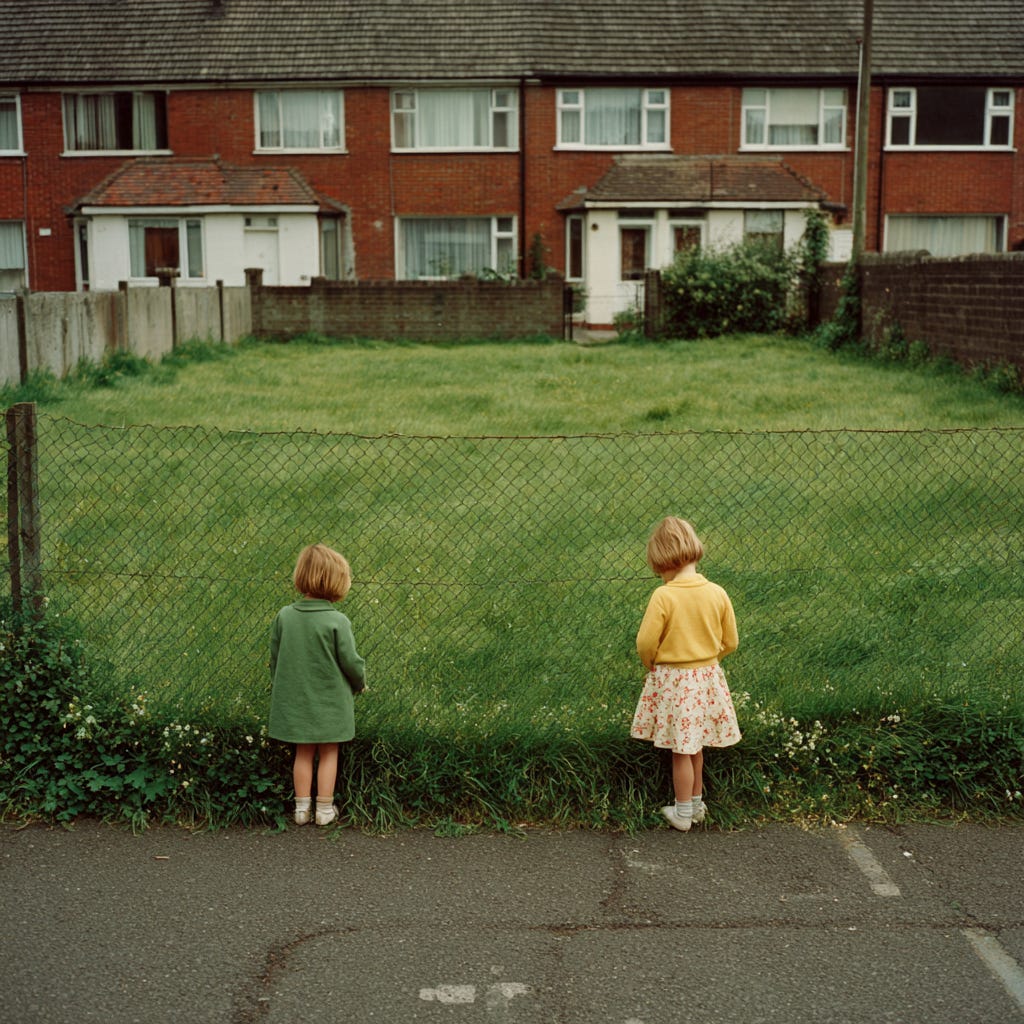
I should mention that I don’t have children, so I generally hesitate to weigh in on parenting or childhood development. But anecdotally, you don’t have to look very far on a college campus to find ill-adjusted young people who’ve clearly had a very easy life.
I know what you’re thinking — then why do so many coddled rich kids make it so far in life?
Because friction doesn’t guarantee fairness.
The richer you are, the less the world pushes back. Small conveniences like better neighborhoods and less financial stress build into bigger advantages — better schools, stronger networks, financial and legal safety nets, easier access to careers and capital, etc.

Living without friction becomes a self-fulfilling lifestyle if you have the means. But happiness is far from guaranteed.
RELATIONSHIPS
Avoiding conflict in a romantic relationship may feel good in the short term, but it’s a ticking time bomb. A friction-free relationship looks calm until it isn’t. Conflict is a given — the real indicator of a healthy relationship is how you handle it and repair after. Vulnerablility and honest communication (forms of friction) build intimacy. The same is true in friendship.
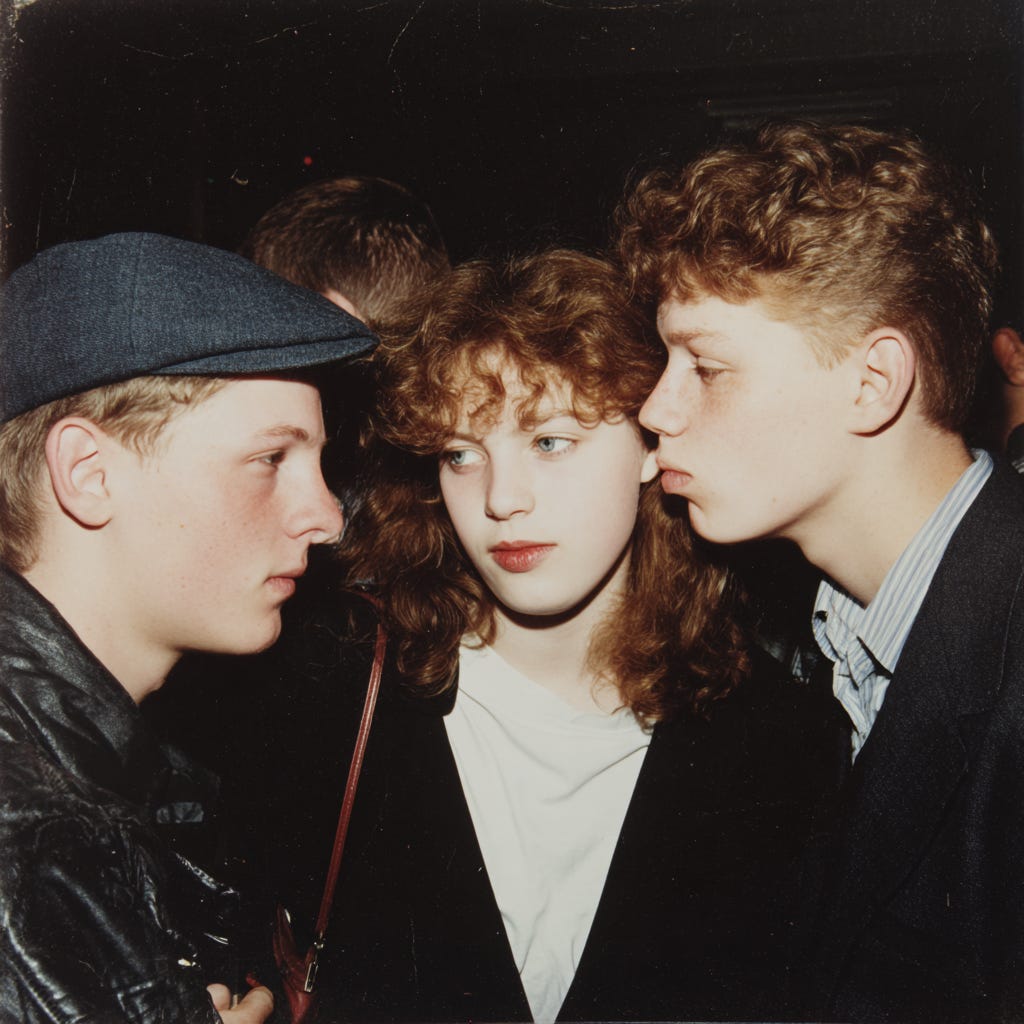
William Rawlins, who has spent decades studying how friendships are built and maintained, and Robin Dunbar, whose work maps the layers of our social circles, both show that friendship takes steady effort and emotional investment. Rawlins finds that friendships survive through intentional effort, while Dunbar shows that closeness grows through emotional labor, shared adversity, and the ongoing work of staying connected over time.
In other words, relationships without friction fade.
FLAT CULTURE
Kyle Chayka, whose work examines how digital platforms dilute culture, argues that everything has been reduced to content engineered for engagement. His book Filterworld shows how algorithmic systems flatten culture into a homogenized, predictable world of seamless consumption. Platforms like TikTok and Instagram dictate our choices, shape our tastes, and even produce a kind of “algorithmic anxiety” as everything from entertainment to city design, gets smoothed into sameness.
All kinds of cultural experiences have been reduced to the homogeneous category of digital content...made to obey the law of engagement.
-Kyle Chayka
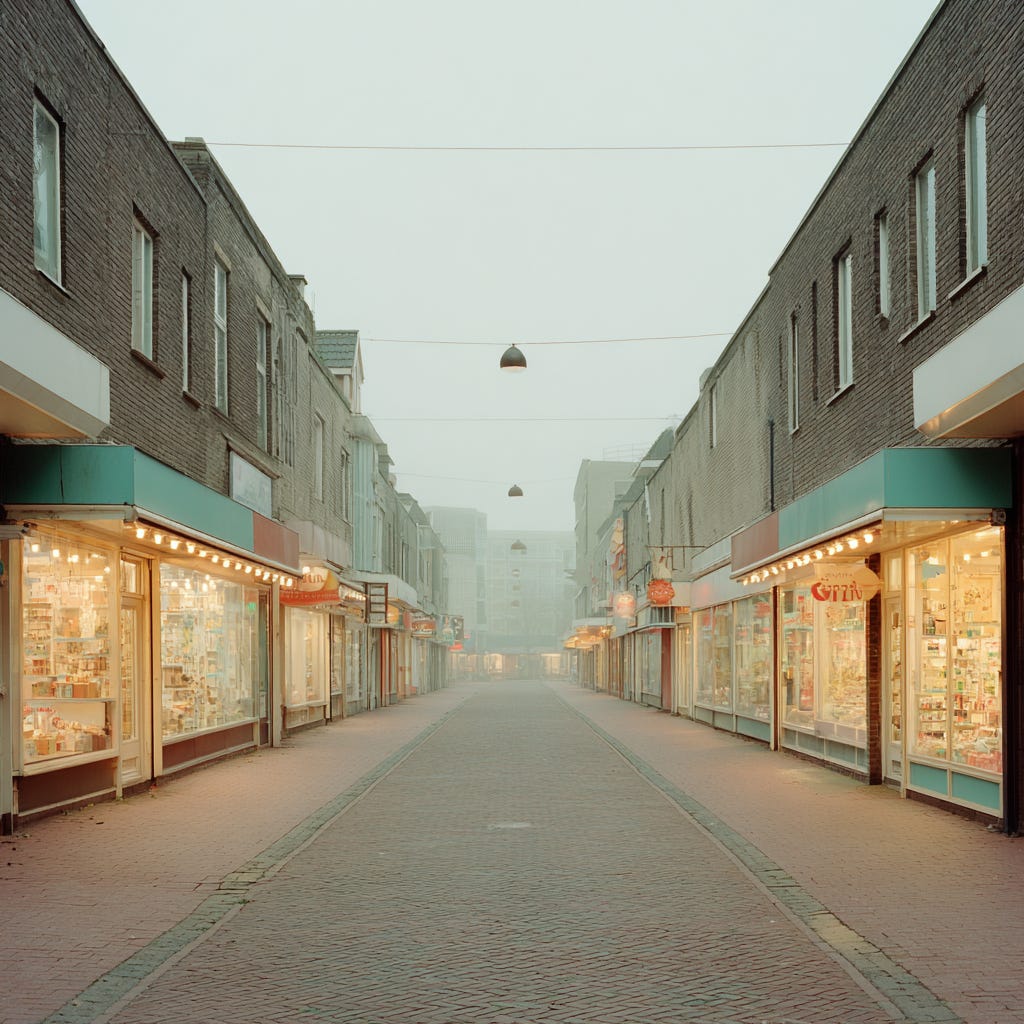
Algorithms curate our lives through a commercial filter, slowly shaping our taste and stripping out any real friction.
This creates a feedback loop where culture, products, cities, and people start to look the same. Algorithms amplify the same content, brands reshape themselves to match it, and we mistake repetition for popularity. Each cycle reinforces the next, until culture, products, aesthetics, and our tastes blur into the same shape. We stop trusting our own preferences and default to whatever feels safe and universally acceptable.
SEX
Everywhere we turn, we’re being sold a friction-free life in the name of progress. Algorithms optimize for engagement and culture flattens. Platforms reward sameness and safety until that’s all that’s left. Individual taste gets replaced by recommendation loops. Creativity becomes derivative because creators are incentivized to serve the algorithm instead of their own curiosity.
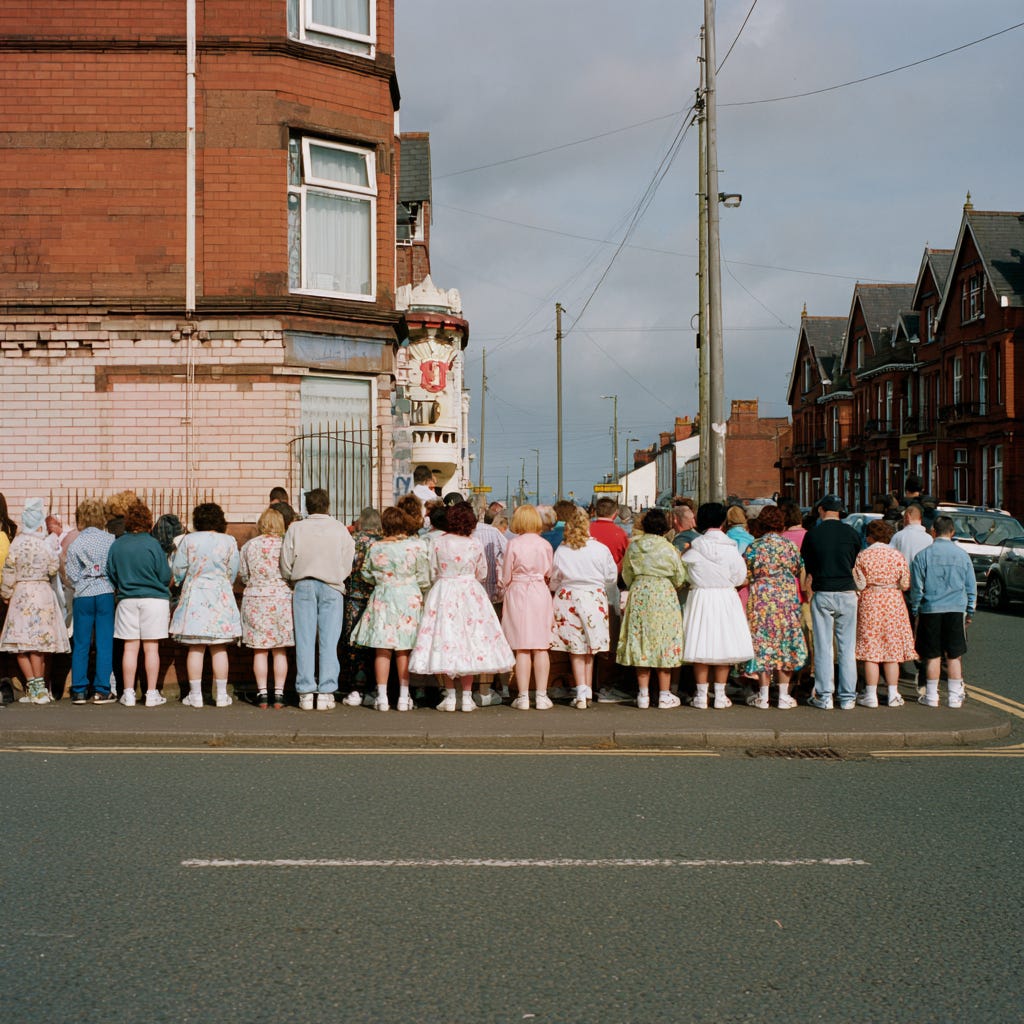
But friction isn’t the opposite of comfort — it’s the opposite of complacency. It makes life more meaningful and forces us to be individuals. Even the pleasure we get from sex largely depends on friction — our mechanoreceptor nerves literally require pressure and movement to fire. I couldn’t resist.
IF IT’S NOT COOL, JUST ADD ICE!