

Bee a Gatekeeper
Culture Vultures, Mimetic Desire, ID Thirst & Why Gatekeeping Matters

HONEYLAND
I saw a documentary called Honeyland in 2019 at Leammle Santa Monica (a fantastic institution) and it blew me away. It’s visually stunning and tells a remarkable story, but it’s also a case study on the importance of gatekeeping.
[5 minute read]
Honeyland is about a beekeeper named Hatidze who lives in a small stone shack without water or power, caring for her dying mother in the remote mountains of North Macedonia. She ekes out a living by tending to wild bees using ancient beekeeping methods and selling honey at market. At first, the film seems to focus on Hatidze’s solitary life in the mountains, caring for her mother and spending long days traversing the land to tend to her bees. However, the serenity is quickly disrupted when a large nomadic family moves onto the adjacent land with their many kids and cattle.
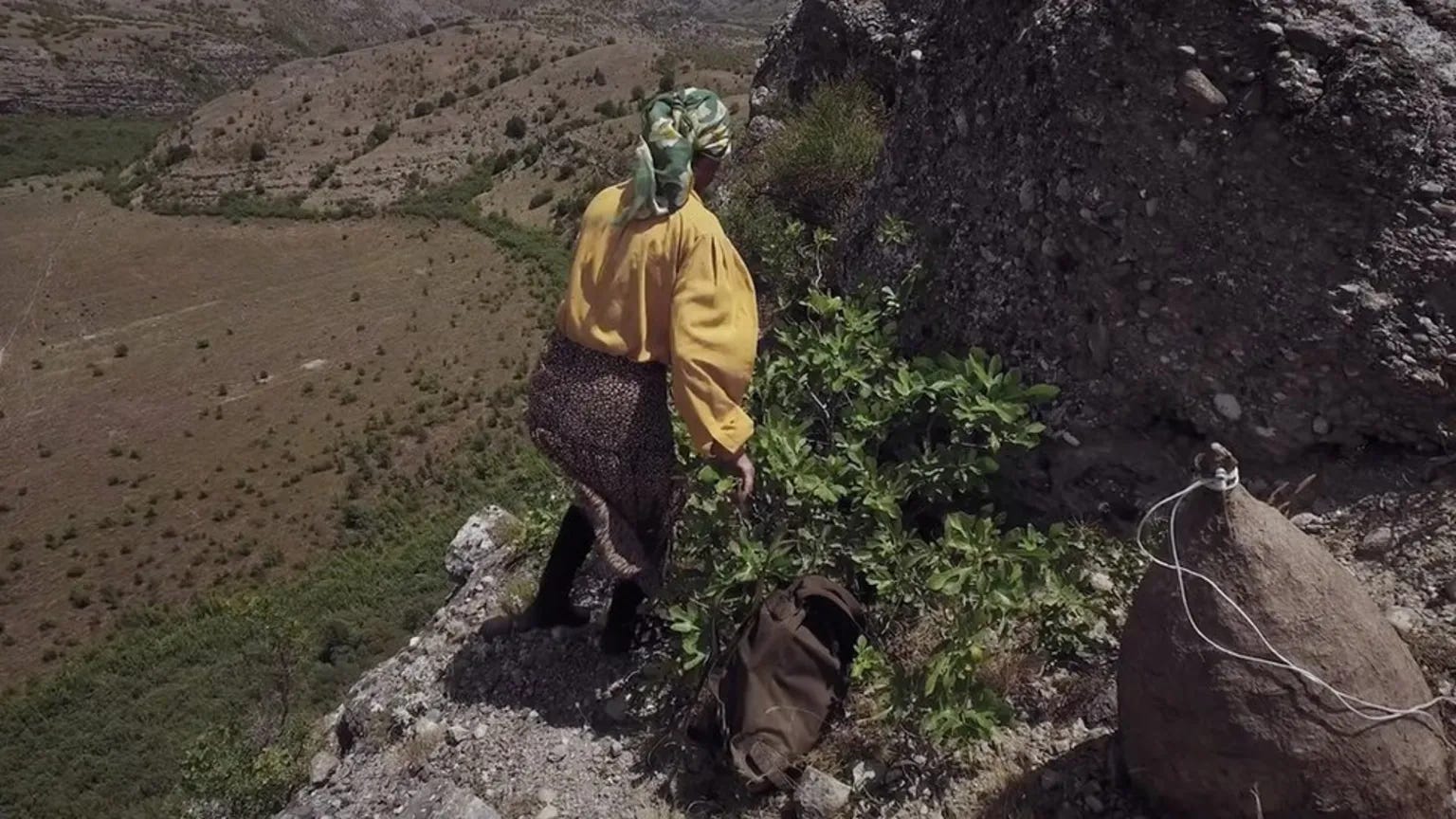
Initially Hatidze is happy to have the company and befriends one of the young boys. Not having children of her own, she is moved to teach him how she harvests honey and the locations of her hives. The most important part of his education is when Hatidze explains that she takes half the honey for herself and leaves the other half for the bees, ensuring harmony and sustainability. The boy seems to understand the necessity for harmony with the bees, but his father is eager to exploit Hatidze’s beekeeping secrets for profit. Eventually, the boys father removes the honey and hives from the area, causing the bees to die and the hives to collapse.
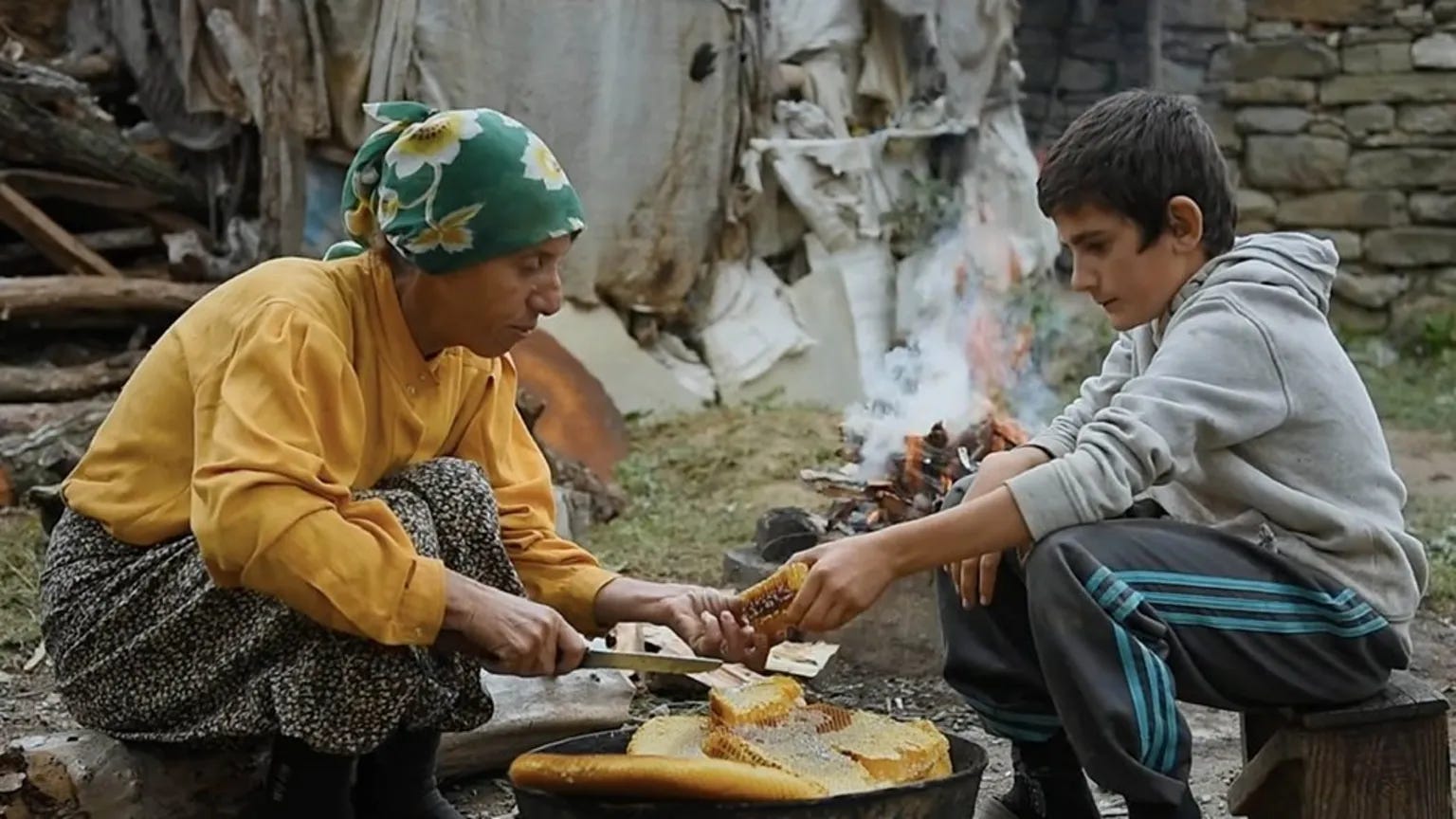
Hatidze should have been a gatekeeper beekeeper! The reckless family that moved in didn’t deserve her kindness, but Hatidze’s lack of experience in the 'real world' left her unaware of just how corrupt people can be. In the end, the family moves on, leaving Hatidze, her way of life, and the bee colonies in their wake. Everyone loses when outsiders co-opt authentic culture, and gatekeeping is the primary line of defense.
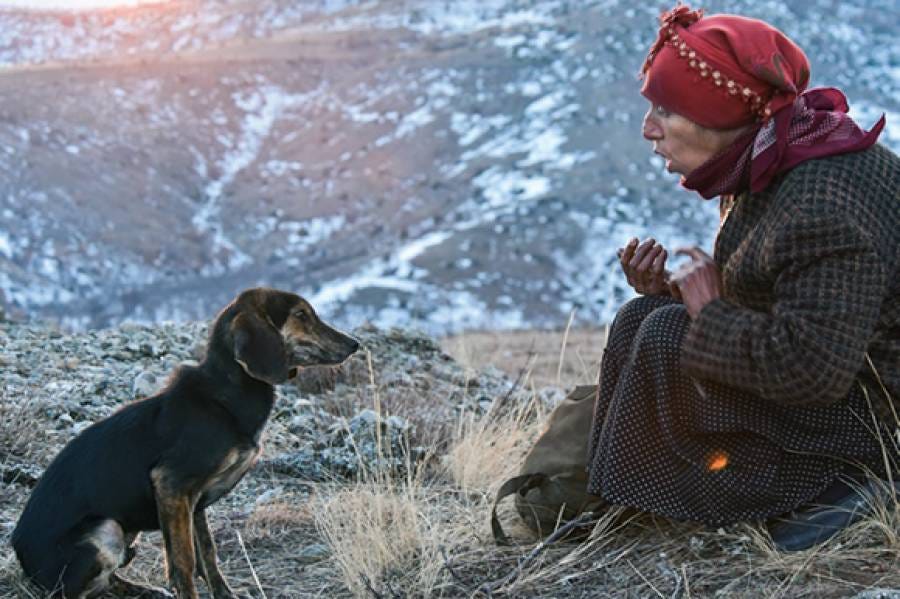
You can watch Honeyland here & on most streaming services
MIMETIC DESIRE
René Girard was a French philosopher of human behavior and culture who introduced the concept of mimetic desire — the idea that human desire is not self created, but imitative. In other words, people desire what others desire, and we learn what to want by observing other people — like a child who only wants a toy because another child has it.

“Man is the creature who does not know what to desire, and he turns to others in order to make up his mind. We desire what others desire because we imitate their desires.”
-René Girard
Mimetic desire plays a crucial role in shaping culture, social norms, and human behavior. It helps to explain our obsession with social media and why algorithms are such powerful tools. Social media fuels an endless urge to mimic the enviable (and often fake) lifestyles and trends we constantly see online. The algorithm has us by the proverbial balls, and we're losing touch with our authentic selves. We literally don’t know what we want. As a result, we act superficially and appropriate culture, which distances us even further from the authentic community and connection we desire.
This leads us to ‘ID thirst’...
ID THIRST
ID thirst is the desire to be identified with a particular community or lifestyle for superficial reasons, without genuine interest, putting in the necessary effort, or respecting its deeper cultural significance.

In today’s hyper-connected world, people want to — and can — leapfrog the normal steps to gain access to culture. In many cases this means signaling connection via mimicking the style of the real heads. There are plenty of subcultures you can buy your way into — like Coachella or Stanley mugs — but authentic cultures and lifestyles are earned, not purchased. You can’t shred on a guitar because you bought a vintage Iron Maiden tee, and you’re probably not part of the culture if you haven’t attended shows over the years with fellow fans and friends (long hair is optional).

But here’s the bright side: The guest list for authentic culture and lifestyle is never closed — membership is determined solely by dedication and sincerity. If you educate yourself, put in the work, and are not trying to exploit people or cultures for personal gain, you will inevitably find yourself in the club. That’s how it works — it’s not a complicated formula.
GATEKEEPING
Just to be clear — I am arguing for gatekeeping as a tool to protect cultural and community values from culture vultures who aim to profit financially and cloutily. Of course, I do not support gatekeeping that reinforces boys' clubs or the marginalization of disadvantaged or vulnerable groups.
—
It seems to me, when given the opportunity, people cannot control their instinct to ruin cool or good things. Whether it’s businesses profiting from various forms of appropriation, moneyed individuals displacing local residents by purchasing second homes in cities they have no connection to because the NYT said they’re hot places to live, entitled tourists treating national parks and historic cities they discovered on TikTok like amusement parks, kooks and developers blowing up quaint surf towns until they become overrun and unrecognizable, people dressing in the costume of the thing they don’t actually do (I’m looking at you Nouveau Dead Heads, Gorpcore Guys, Sedentary Athleisurists, Urban Cowboys, and Hipster Lumberjacks) — the list goes on.

What’s really cool is sincerity, respect, authenticity, conservation, and putting in 10,000+ hours — those are the traits that define our heroes. But that takes time, and since we’re sold new desires by the algorithm every ten minutes, people demand immediate gratification. It’s easier to buy a Western Hydrodynamic Research hat than to learn how to surf, start a wellness brand without any wellness education, or visit a national park for a selfie instead of a walk in the woods.

You can take up trail running to enjoy more time outdoors, improve your health, and make new friends — or you can buy $200 Salomon XT-6’s to wear to brunch.

There’s immense value in working hard, taking the time to educate yourself, and becoming part of a community. We’ve been trained to seek the north star of success but no one has patience for the journey. I was shocked when someone I vaguely know, who apparently has new fashion brand, recently asked me for my apparel industry manufacturing and buyer contacts. Uh, no. Not because I’m an asshole, but because they aren’t ready. When we started Rxmance, we knew nothing about business or fashion and had to learn everything from scratch. We embraced the challenge because cracking the code weeded out a lot of potential competition. The struggle is the 'how' of success — it demonstrates to peers, partners, and customers your dedication. Not to mention, it makes you an expert at whatever you’re doing by forcing you to go through the process and learn from mistakes.
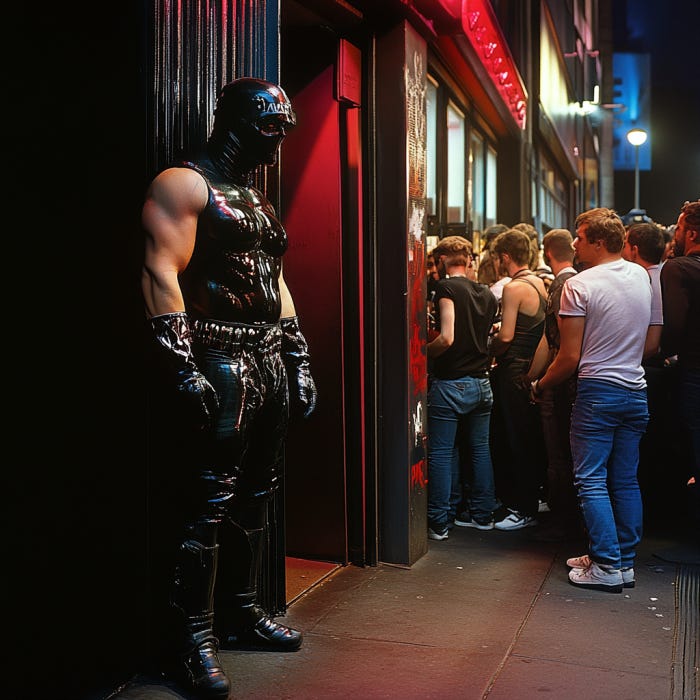
Gatekeepers make sure culture vultures can’t sneak in through the back door and that the people who get in through the front door are authentic and dedicated community members. They protect the culture. The folks who get into Berghain or surf Pipeline are part of the culture — they’ve paid their dues and deserve to be there. And of course, they want to be surrounded by others who’ve also rightfully earned their spot in the lineup. This is not elitist. If people want to be part of a community, there is a path to achieve it. But it shouldn’t be given away for free — especially not to greedy trend hunters with nothing to contribute or to those whose only discernible skill is the good fortune of a hefty bank account.
IF IT’S NOT COOL, JUST ADD ICE!
Outstanding and enlightening pieces! Thanks COOL!!!!!!