

USA 1797
George Washington smiled

[3 minute read]
I visited Philadelphia a couple months ago and had a day to kill, so I decided to do all the historical tourist things. I thoroughly enjoyed myself — even a cynical jerk like me couldn’t help but feel a sense of awe and hope.
It’s easy to forget how young the United States is. The Declaration of Independence was adopted by the Continental Congress on July 4, 1776 — less than 250 years ago. Modern humans have existed for about 200,000 years and civilization as we know it is about 6,000 years old. Modern humans aren’t even a blip on the Earth’s timeline, and we may never be.
Most Americans assume the U.S. will always have the best political system, economy, and professional basketball teams in the world. But history has been cruel to every great civilization and Steph Curry is getting old.

PHILADELPHIA
Congress Hall served as the temporary U.S. Capital from 1790 to 1800 and housed the U.S. House of Representatives and Senate. It was where the Bill of Rights was ratified, but what struck me most, as I sat in a (replica) chair once used by an original House rep, was the description of the peaceful transfer of power that took place there between Washington and Adams.
In 1797, George Washington, after serving as the first American president for 8 years, chose not to seek a third term, setting a precedent for the peaceful transfer of power and the two-term limit later codified in the 22nd Amendment. Washington was immensely popular and could have easily held on to power, but he believed in the principles of the Constitution and the importance of a government led by laws, not individuals. His decision reinforced the idea that leadership should serve the nation, not personal ambition.
When Adams was sworn in on March 4, 1797, everyone in attendance was distraught, if not crying. George Washington was adored — he was the first president and no one was sure if anyone else could lead the United States. But Washington knew that he and his fellow statesmen did everything in their power to create a lasting and sustainable government. So, while everyone else feared the unknown, George Washington calmly passed the torch to John Adams and walked out of Congress Hall smiling — as a common U.S. citizen.
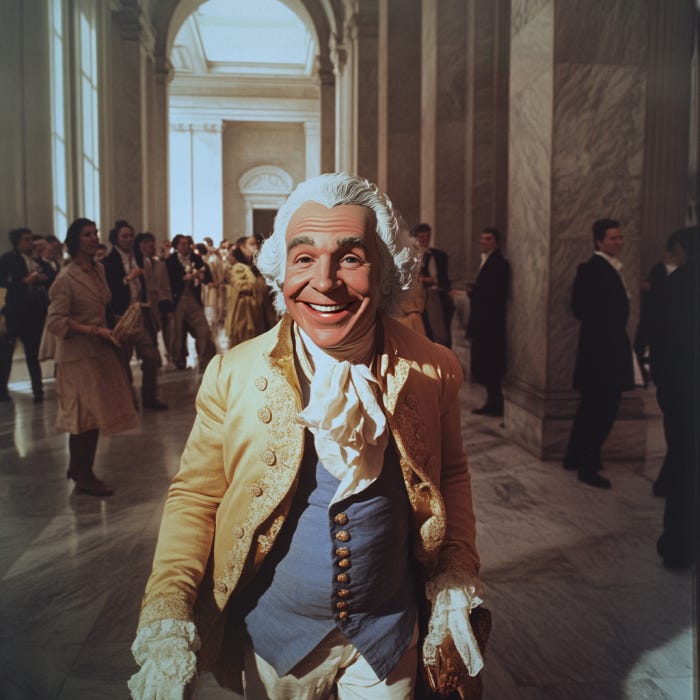
WORLD GOVERNMENTS OF 1797
In 1797, the peaceful transfer of power in the United States was groundbreaking, setting a new standard for governance and democracy. This stood in stark contrast to most of the world during this era...
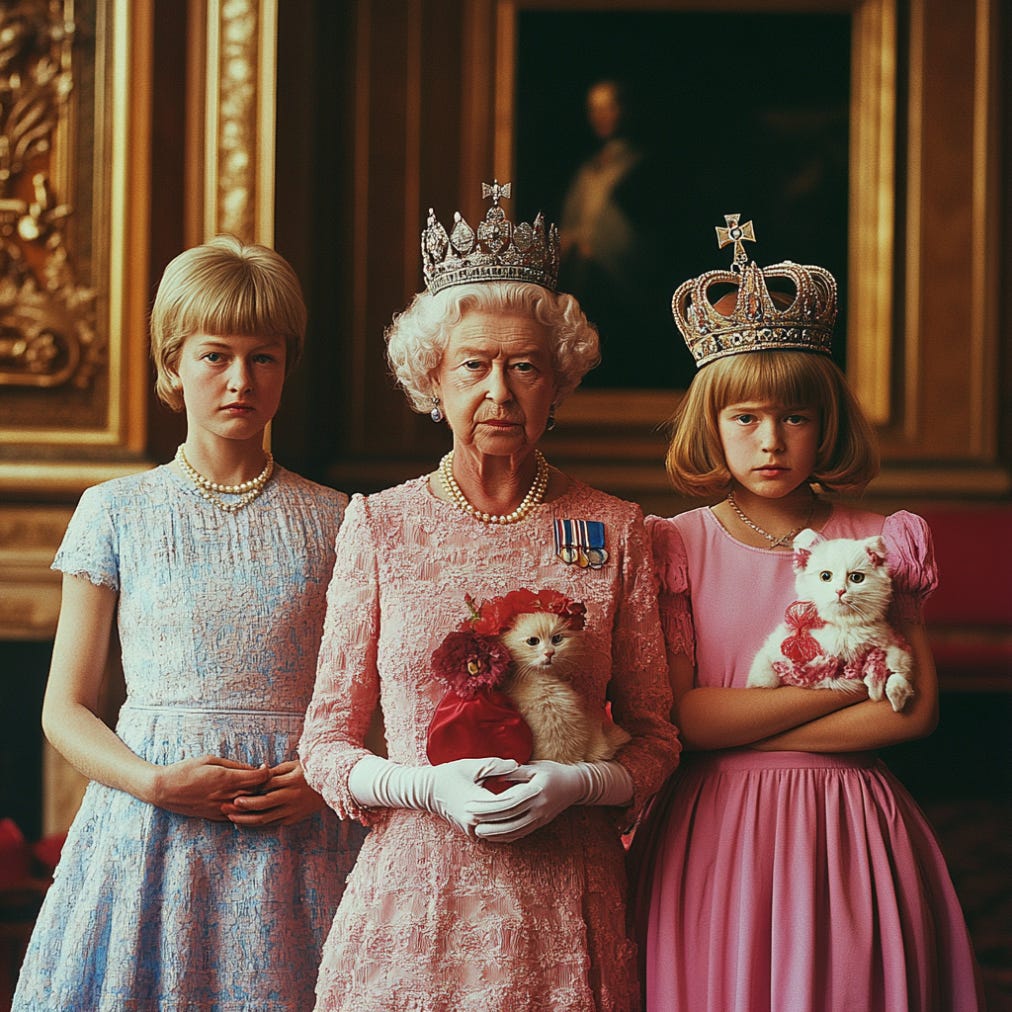
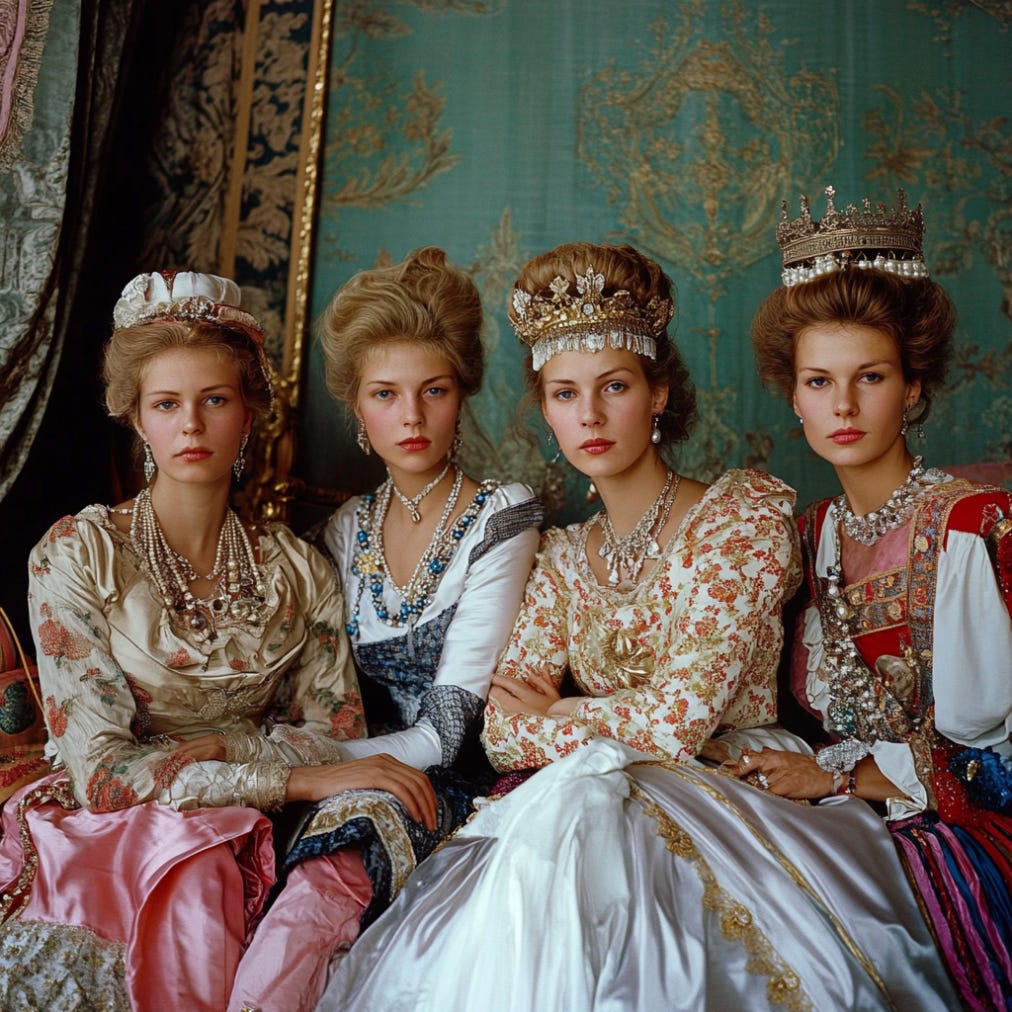
European Monarchies: Most European monarchies operated under hereditary succession, usually passing down power to the eldest son. This process was often fraught with factional rivalries and contested claims. Not to mention — have you ever heard a $10,000 inbred English Bulldog try to breathe?
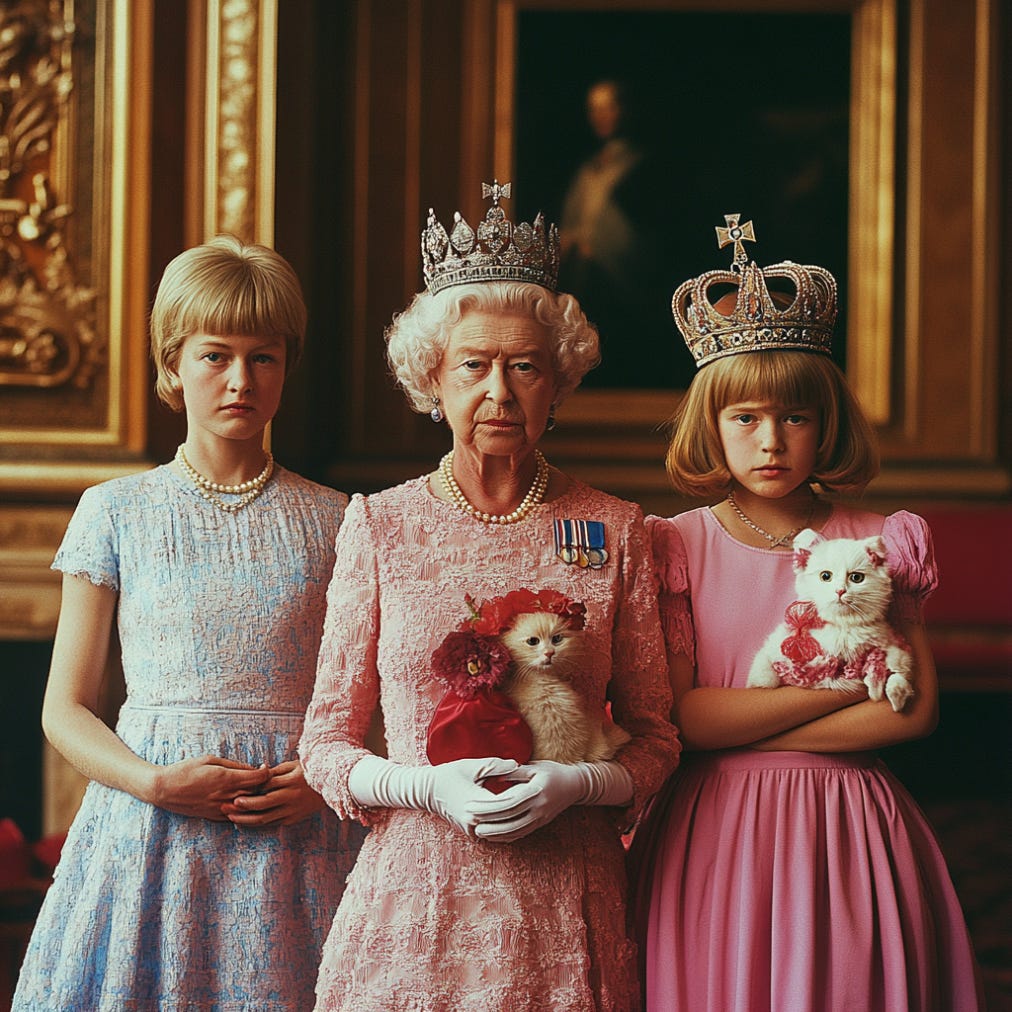
Revolutionary France: France was governed by the Directory, a five-member executive established after the fall of the monarchy. The country was deeply unstable, with frequent coups. The lack of a strong central figure foreshadowed the rise of Napoleon in 1799.

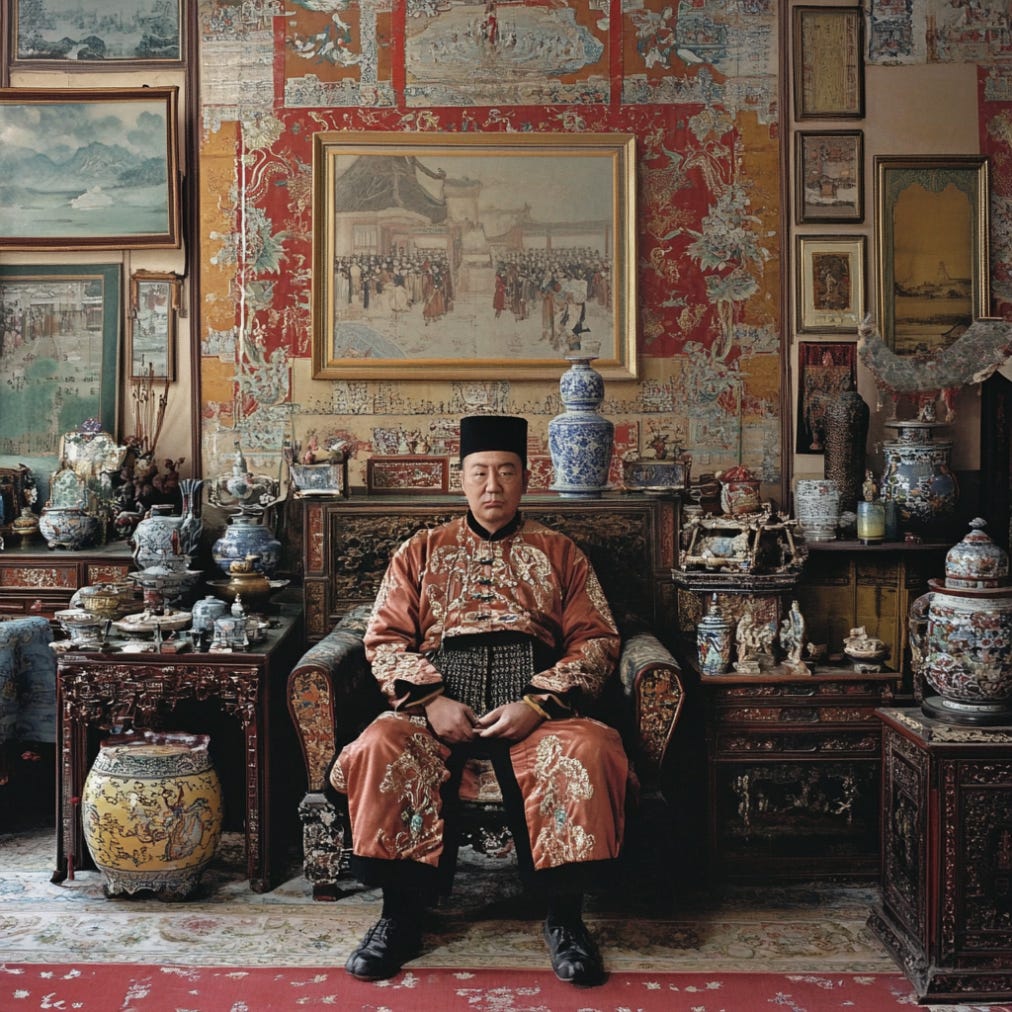
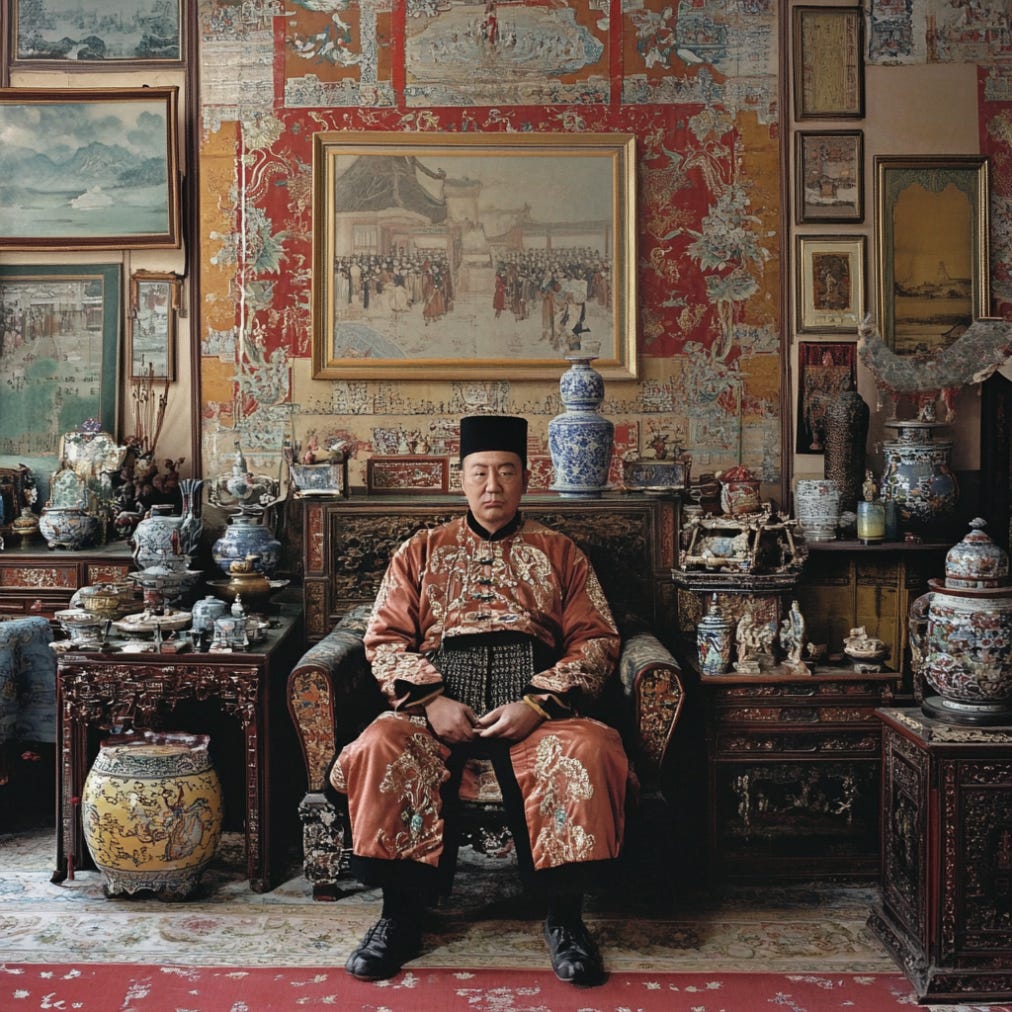
The Qing Dynasty (China): The Qing Dynasty ruled China through hereditary succession under the emperor’s absolute authority. Rebellions, infighting among court factions, and growing threats from European powers strained stability.
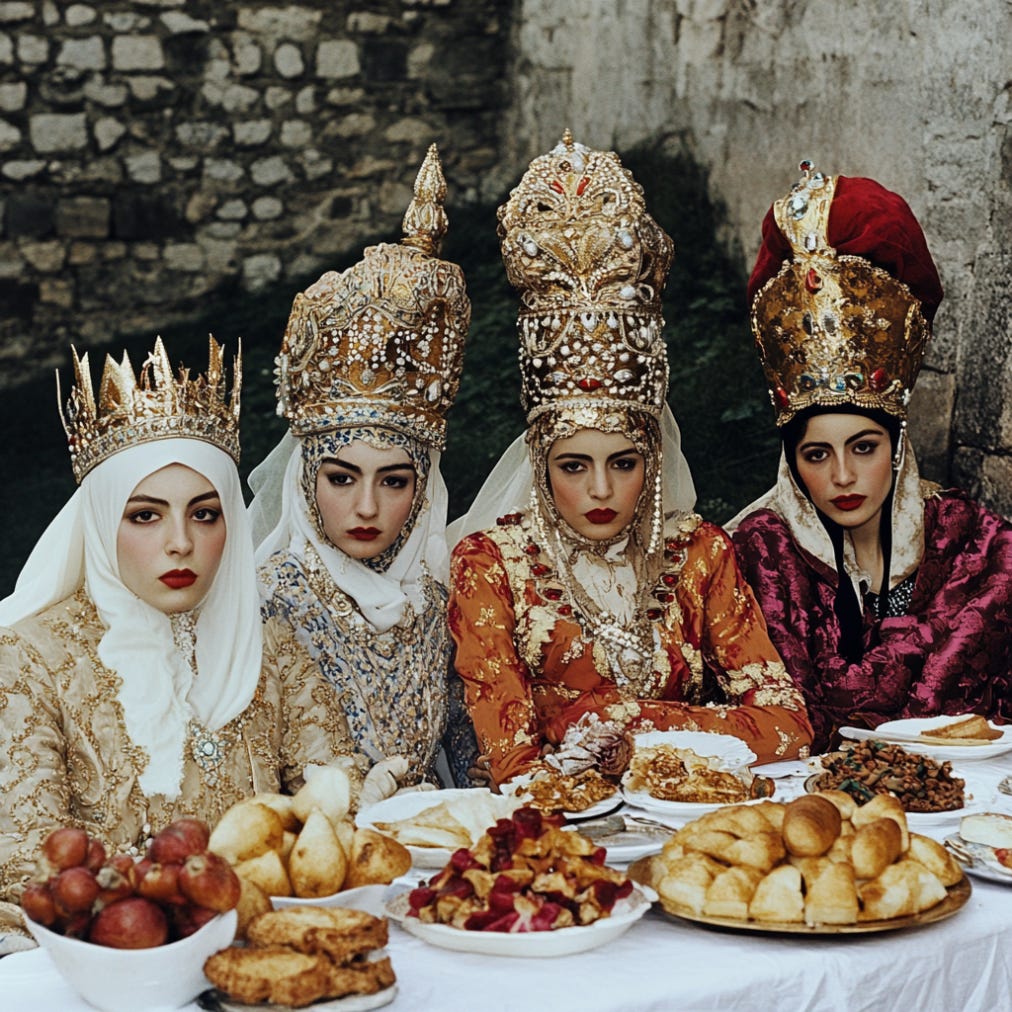
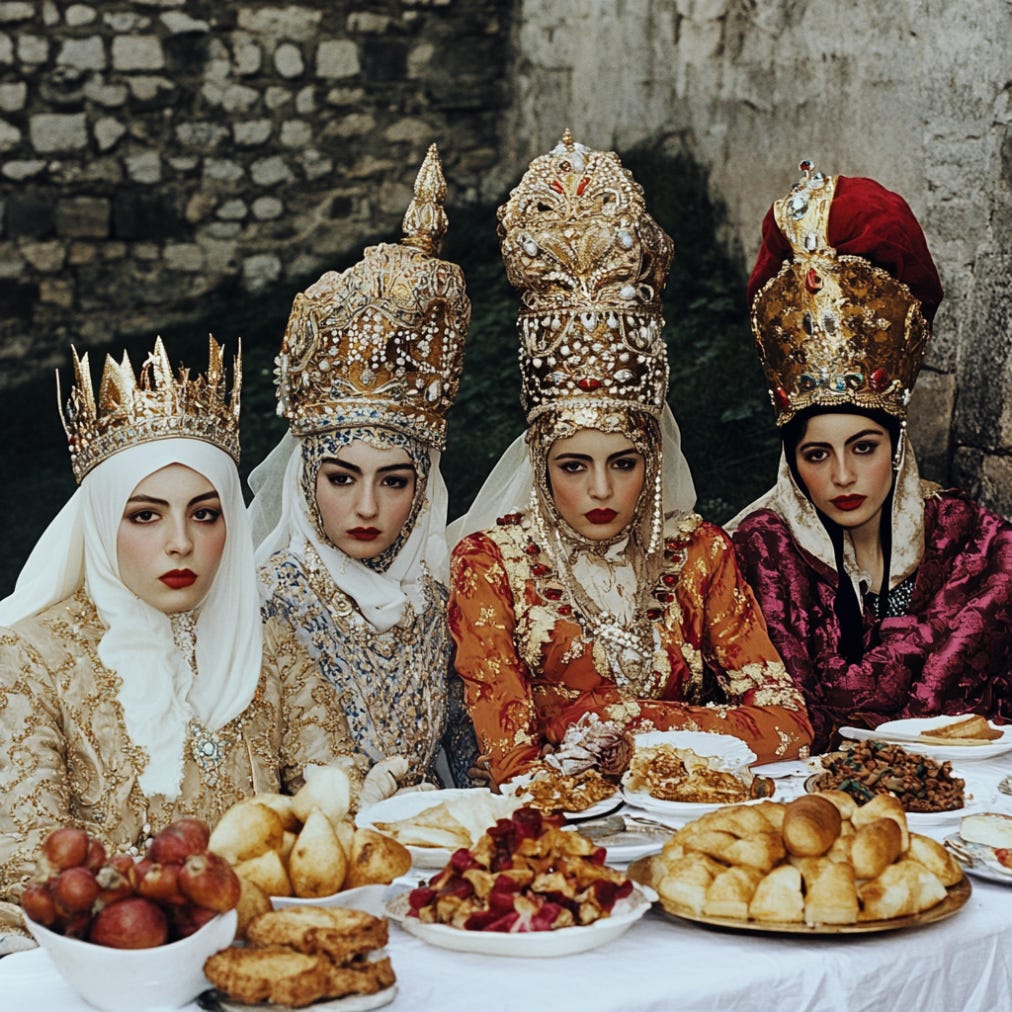
The Ottoman Empire: Succession in the Ottoman Empire was hereditary but often plagued by disputes among heirs. A new sultan frequently secured power by eliminating rivals, sometimes through fratricide.
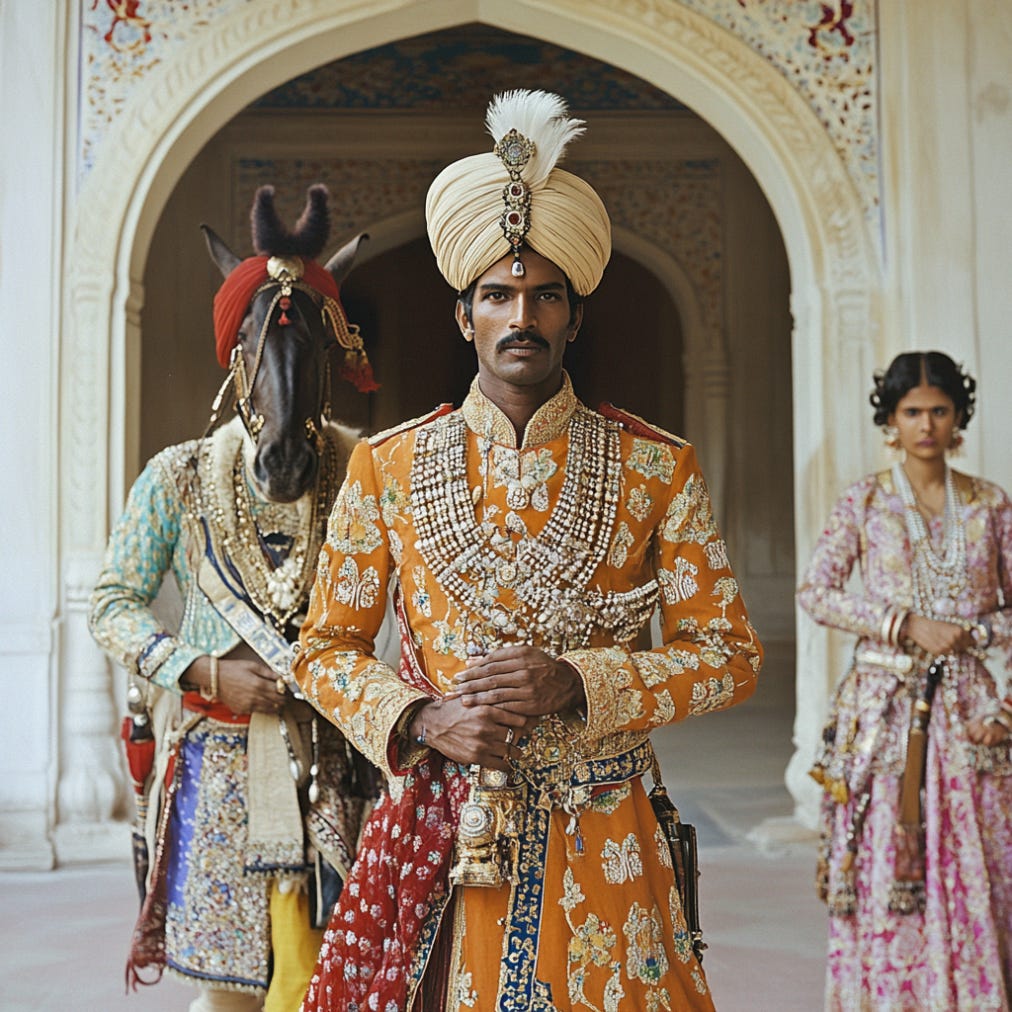
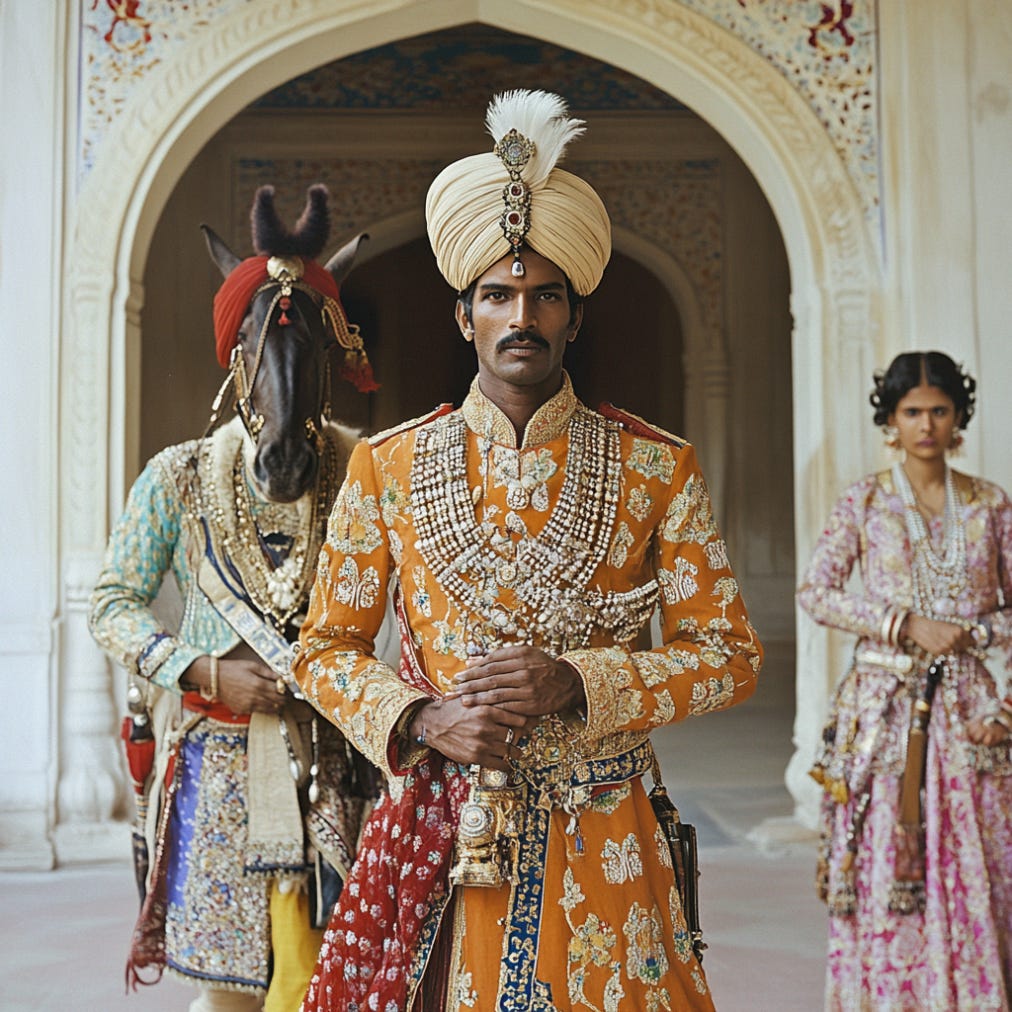
The Mughal Empire (India): In significant decline, the Mughal Empire’s territory was fragmented under the control of regional powers and the British East India Company. Succession was historically determined through warfare between rival princes, weakening central authority. The empire became largely symbolic, with the Mughal emperor reduced to a figurehead under British control.
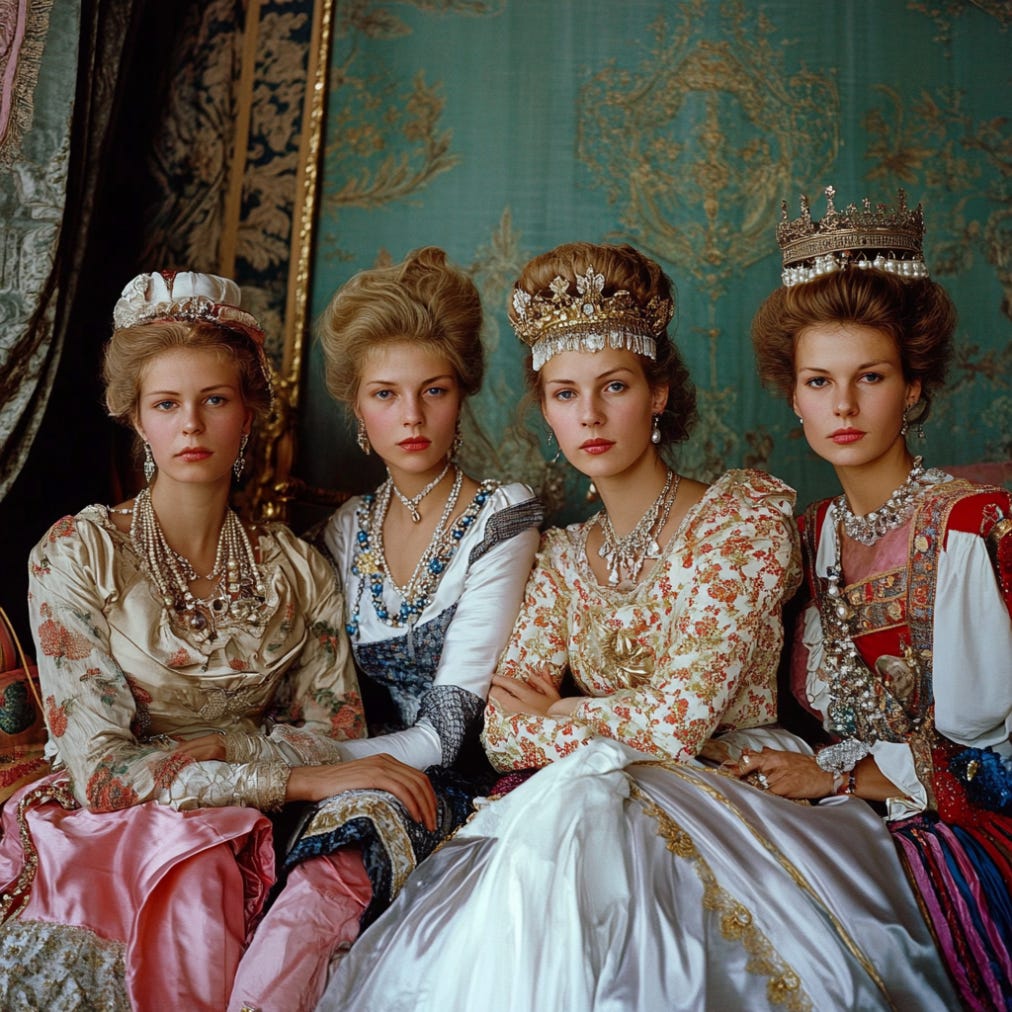
The Russian Empire: Paul I had recently succeeded Catherine the Great as emperor of Russia. The Russian Empire was marked by palace coups, such as the one that brought Catherine to power in 1762. Autocracy defined the governance structure, giving the czar near-absolute authority.
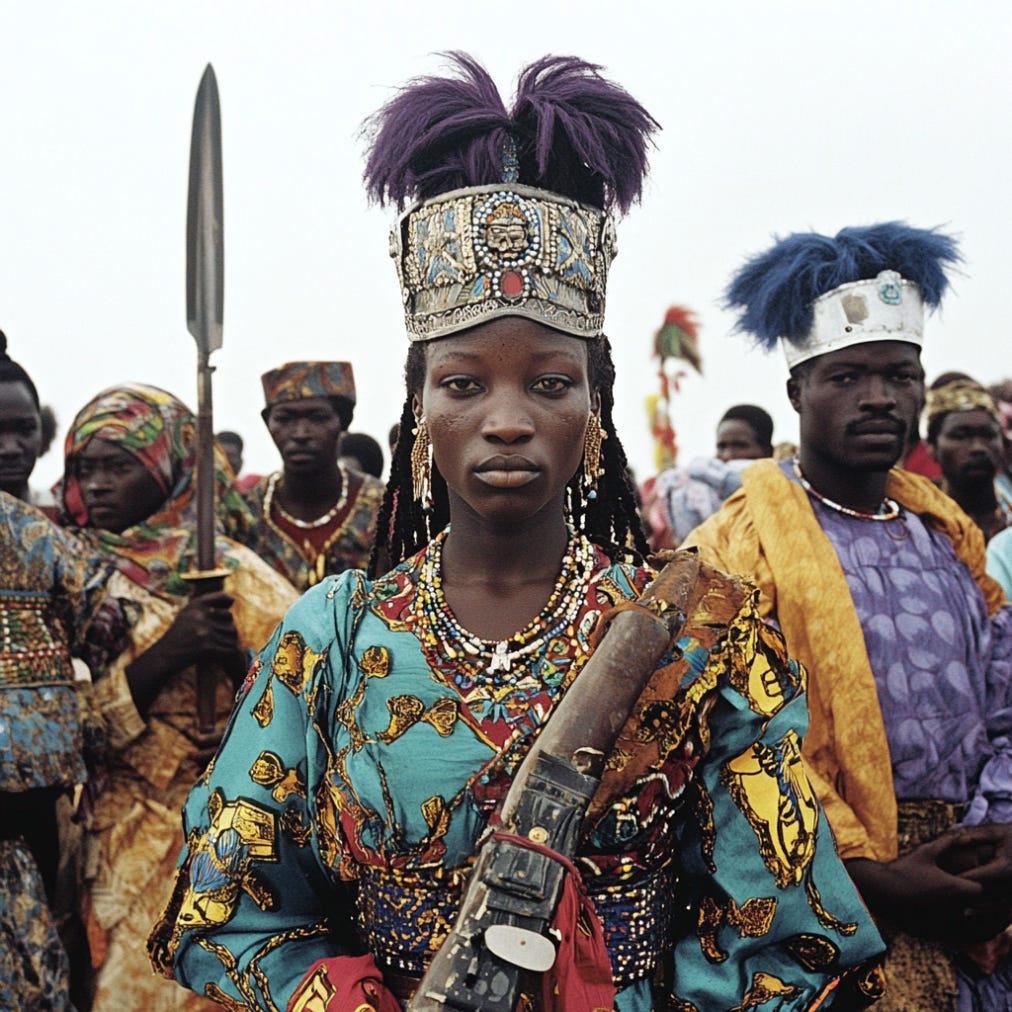
The Kingdom of Dahomey (West Africa): The Kingdom of Dahomey in present-day Benin was a powerful West African state. Leadership was hereditary, but rulers often solidified power through warfare and the suppression of rivals. The kingdom was heavily involved in the transatlantic slave trade, which financed its military and political dominance in the region.

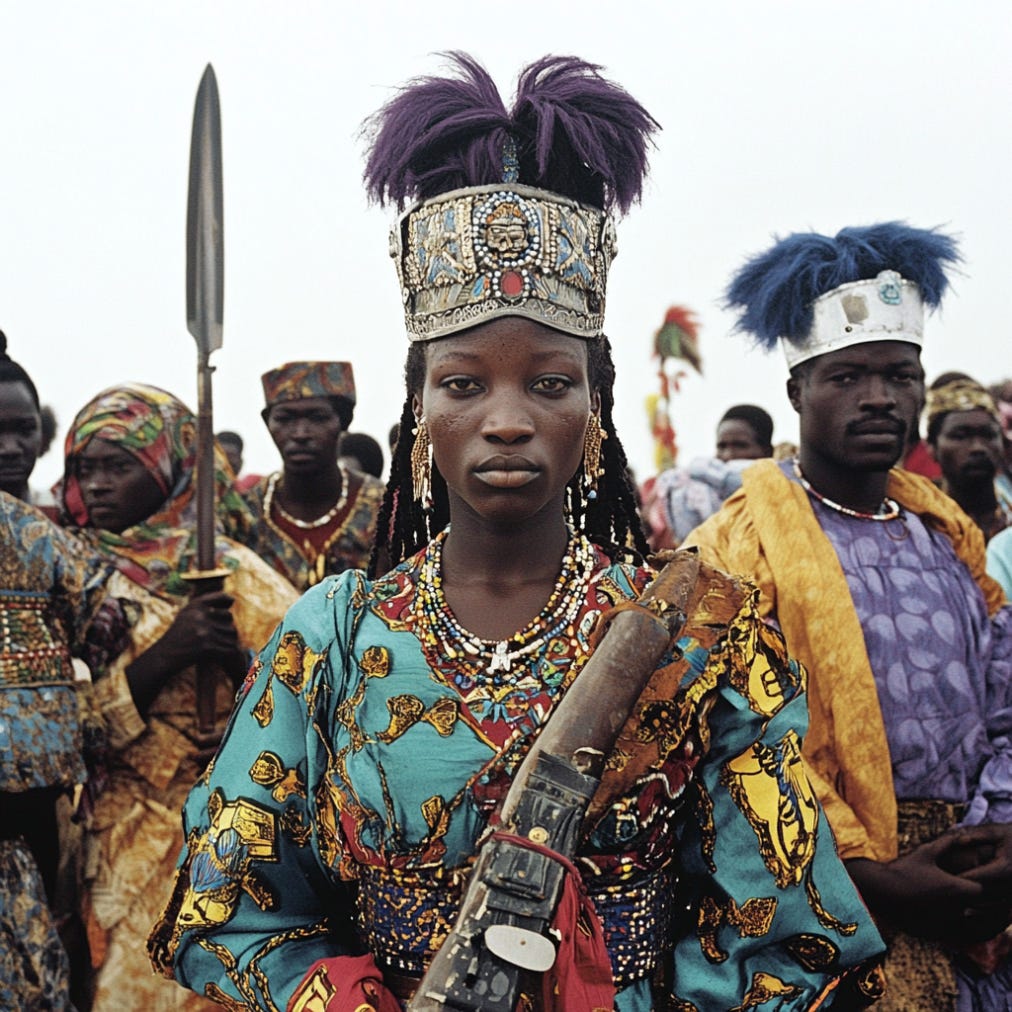
The U.S. proved it was different — and dare I say, better than most other governments of its time — on March 4, 1797, in Congress Hall. Only time will tell how our longevity compares to that of past civilizations.
IF IT’S NOT COOL, JUST ADD ICE!